Updated 2026-09-13 · Checked daily, updated at least weekly
Best AI image models right now
The latest flagship from each lab — Google, OpenAI, ByteDance, Alibaba, Ideogram and Black Forest Labs — ranked by what they're actually best at, with blind-vote arena scores. Rumors labeled, nothing quoted from memory.
Editor's pick
Best overall for everyday use; GPT Image 2 edges it on strict layout obedience and tops the blind-vote arena.
Best image model for each job
Best overall
The best blend of speed, quality and cost — too good at everything to not be the default.
Fast · free tier · best value
Best for prompt accuracy
Thinks before it draws — plans layout and self-checks, opening a big Elo lead. The most obedient to complex prompts.
Arena #1 · reasoning · layout-accurate
Best for consistency & branding
Grounded, repeatable, brand-safe images with transparent-layer export and precision editing.
Layer export · 2K · consistent
Best for non-English & text
Native rendering in 12 languages and 20+ fonts, with ultra-long prompts for posters and UI.
12 languages · text-heavy layouts
Best for logos & typography
The artistic typography leader — t-shirts, neon signs, embossed lettering — now shipping with open weights.
Typography · logos · open weights
Best for photorealism
Cinematic photorealism leader — beats Midjourney v7 in blind tests, with multi-reference on up to 10 images and open-weight tiers. Its successor, FLUX 3, opens image early access within weeks.
Photorealism · 4MP edits · open weights
Text-to-image Arena (Elo)
Source: Artificial Analysis · as of Jul 2026
Elo measures blind human preference, not absolute quality, and reshuffles frequently. Midjourney, Ideogram and Firefly don't participate.
See the outputs
Representative example outputs from the latest models, taken from each developer's official gallery. Tap through for the full breakdown.
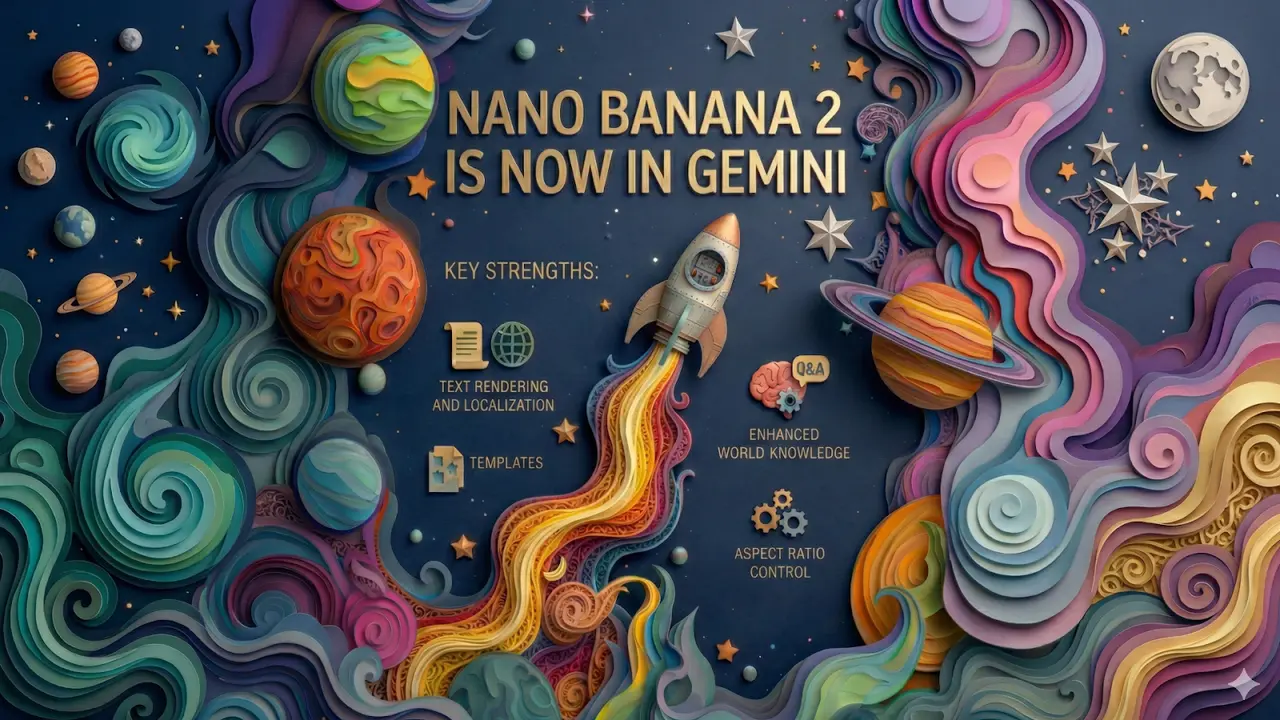
Paper-craft announcement art with crisp text rendering — made with Nano Banana 2.
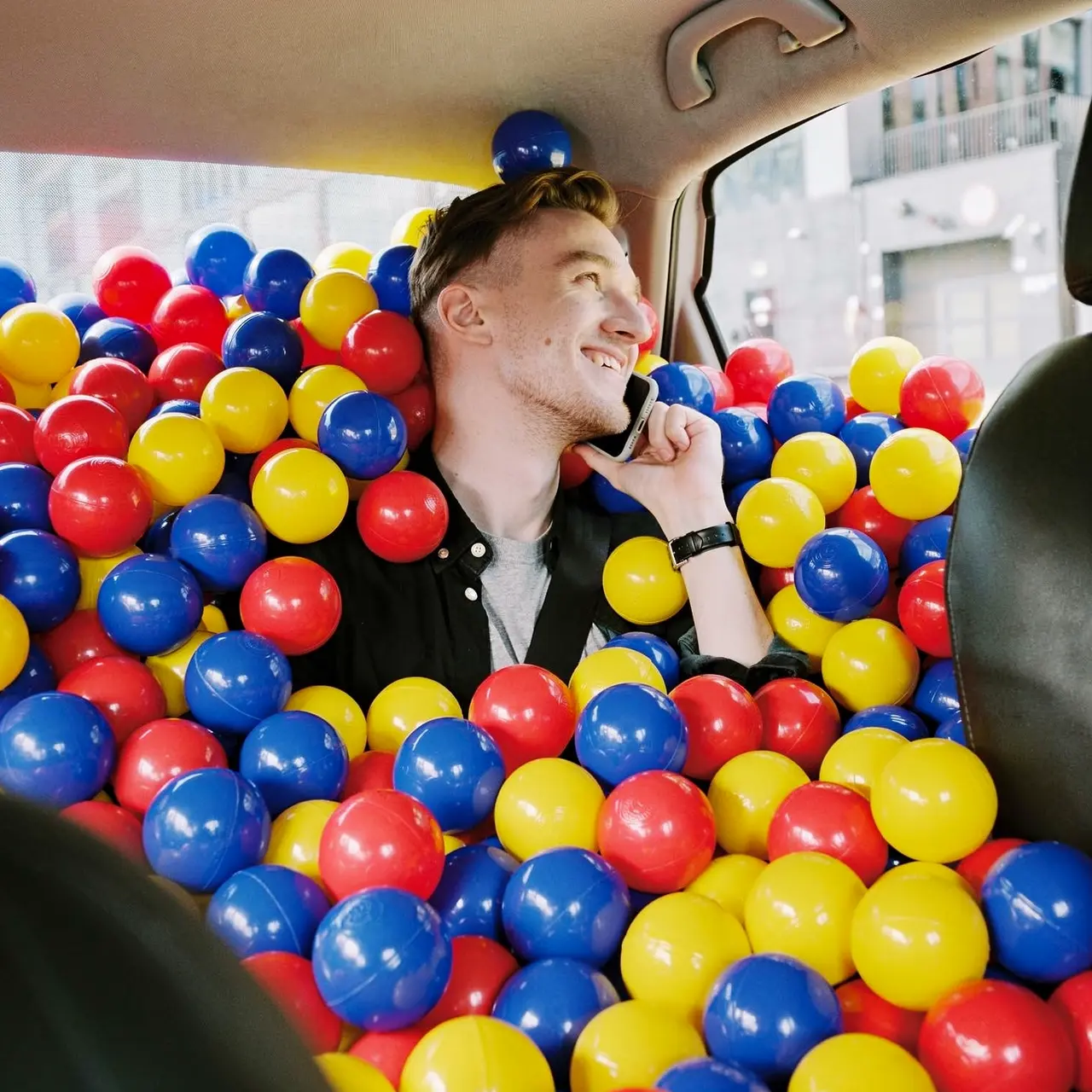
Photorealistic example — the tier that beats Midjourney v7 in blind tests.
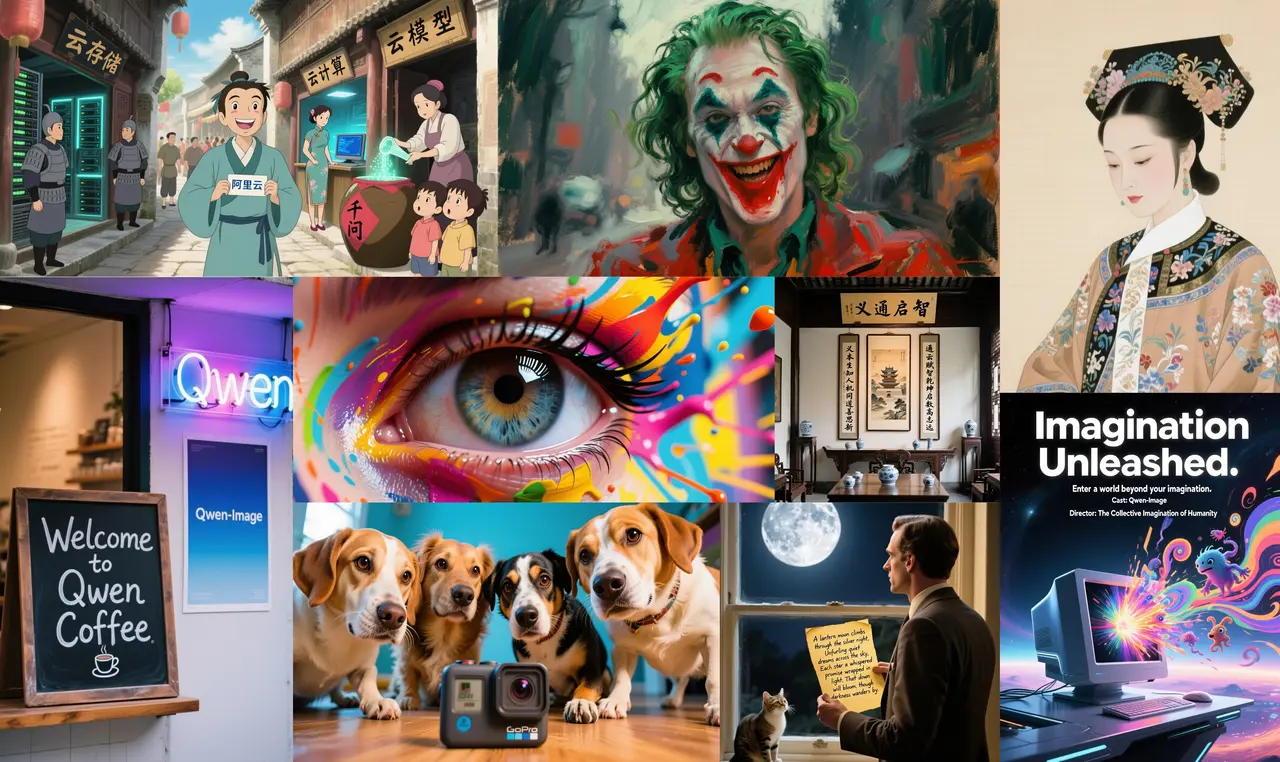
Official showcase spanning posters, portraits and multilingual text.
Get image-model drop alerts
One email when a major image model ships or gets a confirmed date. No spam, unsubscribe anytime.
Latest release from each lab
Upcoming & rumored
One network for image, video with native audio (up to 20s) and robot action prediction. Video is open to approved applicants only; there is no public API, no published pricing and no open weights yet.
BFL says image early access opens “in the following weeks” after the Jul 23 launch — no date given. It is the successor to FLUX.2: better complex-prompt handling, multilingual text rendering, wider style range.
Confirmed but undated: the open-weight release of the full multimodal backbone — the first openly licensed model generating video, audio and images from one set of weights. No size or license terms announced; FLUX.1/FLUX.2 Dev tiers shipped non-commercial.
Shipped
Alibaba Qwen's third-gen image model, themed “Real.” Supports ultra-long prompts up to 4.5K tokens, native rendering in 12 languages and 20+ fonts, and complex UI/poster layouts. Notably shipped API-only with no weights, benchmarks, or technical report — a departure from the open-weight Qwen-Image 1.0.
ByteDance Seed's flagship image model. Headline feature: decomposes a generation into 10+ transparent-PNG layers (subject, text, background) with auto-inpainted backgrounds. Adds click/lasso precision editing, native 10+ language rendering, and up to 2K output. A Lite tier shipped in Feb 2026.
Ideogram's latest, now shipping with open weights. Remains the go-to for artistic typography — t-shirts, neon signs, embossed lettering, logos and posters where visible text is the point.
OpenAI's gpt-image-2 — the first mainstream image model to “think” before it draws: planning layout, optionally searching the web, and self-checking its output. Tops the blind-vote arenas and replaced DALL·E as the default across ChatGPT and the API.
Gemini 3.1 Flash Image — Google's default image model across Gemini, Search AI Mode and Lens. Debuted at #1 in text-to-image on the Artificial Analysis Image Arena at roughly half the API price of Nano Banana Pro. A faster, cheaper Lite variant followed on Jun 30, 2026.
Black Forest Labs' second-gen family (Pro/Flex/Dev/Klein). The open-weight photorealism leader — beats Midjourney v7 in blind tests, with multi-reference on up to 10 images and edits up to 4 megapixels.
Looking for prompts? Browse the AI image prompt library → Side-by-side comparisons and newer-version samples are rolling out next.